
No. 06
View on Instagram ↗Habbe Miskevi Katalin
QR digital certificate · Limited production

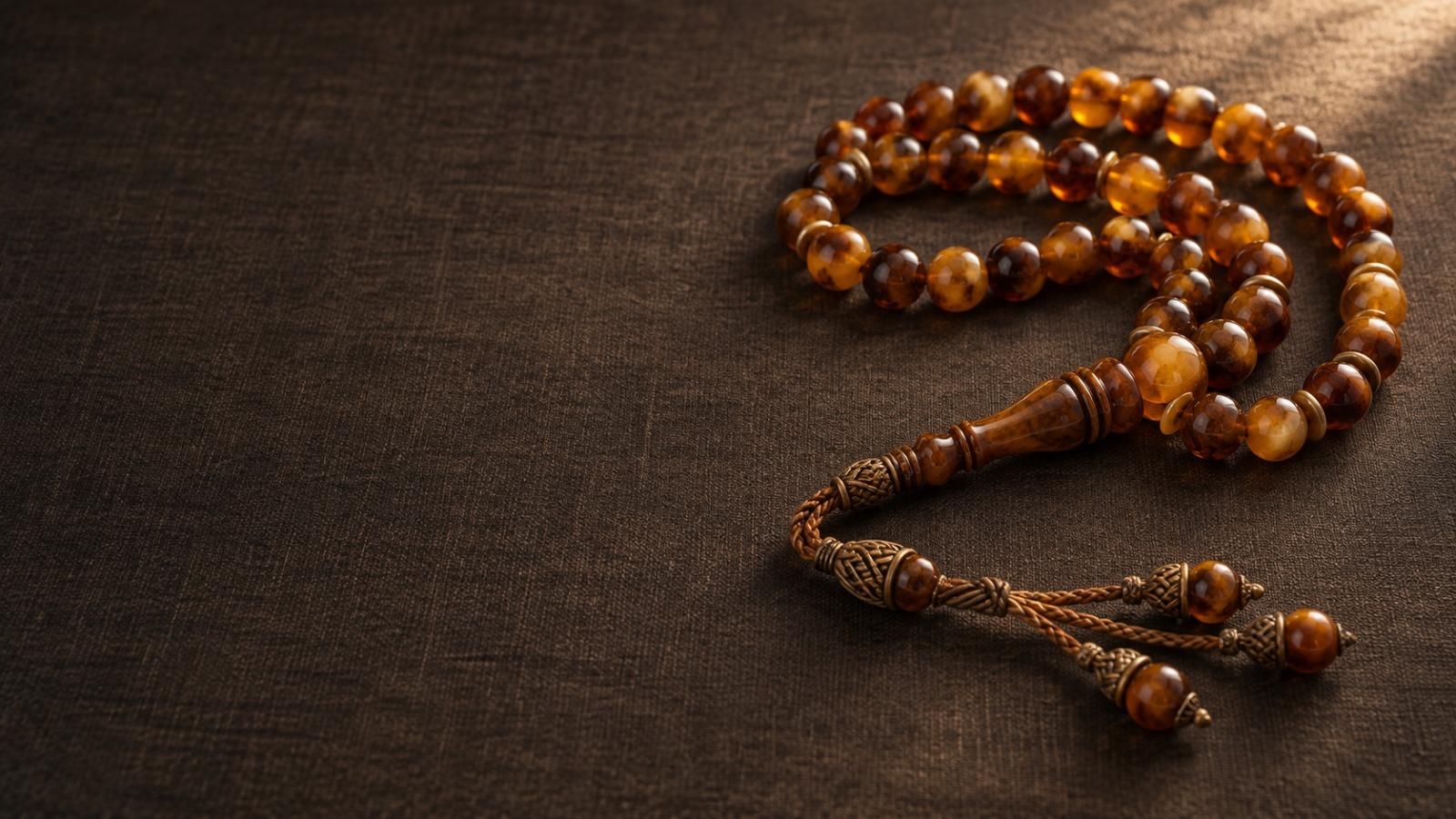
Handmade · Ankara
Ufuk Kucur reinterprets rare, characterful materials through an engineering perspective and hand craftsmanship. Each tesbih is designed as a one-off, shaped to precise measurements, and reaches its owner with its own story.
“Mastery is not a destination reached; it is a search carried a little further in every piece.”
Ufuk Kucur
By hand
No mass production
Digital certificate
Every tesbih on record
Every tesbih arrives with a certificate card bearing a QR code and serial number. Scan the card with your phone camera to see the piece's production date, material and one-off status.
This record is permanent: when you pass the tesbih on years later, the new owner reaches the same record.
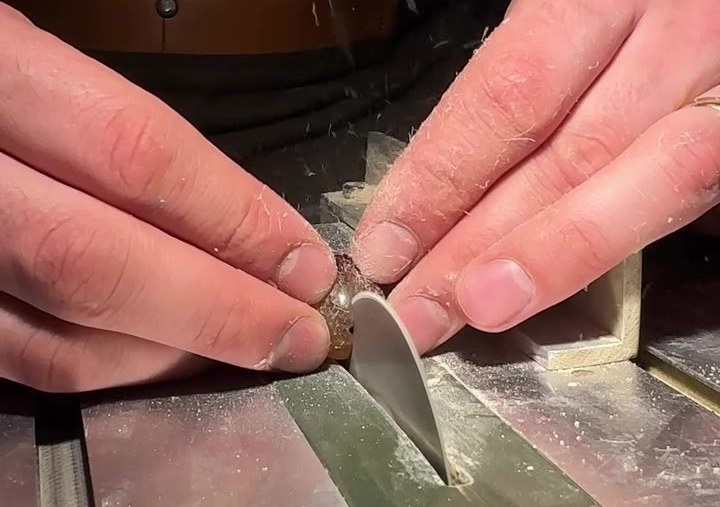
Material Selection
Catalin, amber, faturan and other select materials are carefully chosen by considering their colour, texture, grain and measurement characteristics. Each piece begins to take shape according to the material's natural structure.
Calculation and Shaping
Each piece is measured, its proportions are determined and it is planned for the most efficient use. The beads are worked one by one; form, balance and surface are checked with precision.
Stringing and Boxing
The completed beads are carefully strung according to their colour and grain harmony. After final checks, the piece is placed in its own presentation box.
Certification
Each piece is recorded with its own serial number and paired with a QR-coded digital certificate. This keeps the piece's identity and record information verifiable.
7–8 second cuts from the lathe.
Habbe Miskevi Katalin
Damla Kehribar Yapımı
Osmanlı Sıkma Multicolour Obje
Oyun Zarı
Dominik Damla Kehribarı
Miskevi Katalin Habbe Limon Sarısı
Damla Kehribar Çalışması
Osmanlı Sıkma (Faturan) Habbeden Tesbihe
Osmanlı Ateş Kolyeden İmame Yapımı
Nadir Çok Renkli Obje
Pipoluk Obje
Cookie preferences
Necessary functions keep the site working. Analytics is optional and you can change your choice at any time.